The Best Health Tracking Apps (and Why Tracking Can Change Your Health)

Tracking Your Health Without Letting It Track You

By Suzy Destarac, NBC-HWC | Shine Health Collective

One of the most common questions I get from clients is, “What’s the best app for tracking my health?”

It’s a great question, but my answer usually surprises people.

The best app isn’t necessarily the one with the most features. It’s the one you’ll actually use consistently.

Before we talk about apps, though, let’s talk about why tracking matters. Because tracking isn’t really about counting calories, logging every bite of food, or watching the number on the scale.

It’s about creating clarity. And one of my favorite coaching principles is this:

✨ Clarity Creates Freedom

Knowledge is part of that clarity, but so is having a plan. When you understand your habits and know what to do with that information, you stop guessing. You stop jumping from one diet to another or wondering why you’re not feeling your best. Instead, you begin making decisions with confidence because they’re based on what your body is telling you.

Think about your finances. Looking at your bank account doesn’t magically improve your financial situation, but it does give you clarity. Once you know where your money is going, you can make a plan. Your health works the same way. When you understand what you’re eating, drinking, how you’re sleeping, how you’re moving your body, and even how you’re feeling emotionally, you gain the clarity to make small, meaningful changes that actually fit your life.

That’s where freedom begins.

Freedom from confusion.

Freedom from guilt.

Freedom from constantly starting over.

🌱 Awareness Is More Powerful Than Perfection

One of the things I love most about coaching is helping people replace judgment with curiosity.

I often tell clients:

“Tracking doesn’t mean you’re failing. It means you’re paying attention.”

Imagine approaching your health like a scientist instead of a critic.

Scientists don’t judge data. They observe it. They ask questions. They look for patterns.

Your health deserves the same curiosity.

Instead of asking, “Why don’t I have more willpower?” try asking, “What happened today that influenced my choices?”

Those aren’t character flaws. They’re clues. When you start looking for patterns instead of perfection, tracking becomes one of the most empowering tools you can use.

🔍 Why Tracking Really Works

Our brains are wonderful, but they’re not always accurate.

Most of us remember the grilled chicken salad we had for lunch but forget the handful of crackers while making dinner, the bites of our child’s macaroni and cheese, or the specialty coffee we grabbed on the way to work. Tracking simply fills in those blind spots.

It also helps you connect habits that don’t seem related at first. You may discover that your energy is better on the days you drink enough water, your mood improves after exercising, or your digestion changes during particularly stressful weeks. You might notice that poor sleep leads to stronger cravings the next day or that eating enough protein at breakfast keeps you satisfied until lunch.

Those insights are incredibly valuable because they help you stop guessing and start making informed decisions.

💡 Coach’s Tip: Don’t try to track everything at once. Start with one or two habits that align with your current goal. Small changes create lasting results.

🤝 Tracking Creates Accountability Without Shame

One of the greatest benefits of tracking has very little to do with numbers.

It creates awareness.

When you know you’re going to record your choices, you naturally pause for a moment before making them. That pause isn’t about guilt. It’s about intention.

I like to think of your tracking app as an accountability partner that never criticizes you. It doesn’t tell you that you’ve been “good” or “bad.” It simply reflects your habits back to you so you can decide whether those habits are helping you reach your goals.

💪 Confidence Comes From Evidence

One of my favorite moments in coaching is when a client realizes they’re doing far better than they thought.

It’s easy to believe you’re “failing” if you’re only looking at the scale. But when you look at your habits, you often discover a completely different story.

Maybe you’ve been:

  • 💧 Drinking more water
  • 🥗 Eating more vegetables
  • 🚶 Moving your body consistently
  • 😴 Sleeping better
  • 😊 Feeling more energized
  • 💙 Managing stress more effectively

Those wins matter because they’re the habits that create long-term health.

💡 Coach’s Tip: Switch the conversation from “Did I lose weight today?” to “Did I take care of myself today?”

📝 What Should You Track?

Start with the habits that support your current goal.

You might consider tracking:

  • 🥗 Food and beverages
  • 💧 Water intake
  • 🚶 Physical activity
  • 😴 Sleep quality
  • 😊 Mood
  • ⚡ Energy
  • 😌 Stress
  • ⚖️ Weight
  • ❤️ Bowel movements and digestive health

💡 Coach’s Tip: I also encourage clients to jot down anything unusual about the day. Maybe you traveled, had a stressful meeting, celebrated with friends, or started a new medication. Those little details often explain changes in your energy, digestion, mood, or even the number on the scale.

⚖️ Let’s Talk About Weight

Weight is probably the most emotionally charged metric in wellness.Before deciding whether to weigh yourself, ask yourself:

What is my relationship with the scale?

If one number can ruin your morning, it may not be the right metric for you right now. Remember, your weight is only one piece of your health story. It doesn’t measure your strength, your energy, your sleep, your resilience, or your overall wellbeing.

If you choose to weigh yourself, I generally recommend no more than once a day, with once a week being ideal for most people.

And remember… It takes approximately 3,500 excess calories to gain one pound of body fat. If the scale jumps after chips and salsa, pizza night, or a vacation, it’s much more likely due to water retention than body fat. Sodium, hormones, travel, stress, exercise, hydration, and even constipation can all influence the scale.

Focus on the trend, not today’s number.

😊 Don’t Forget to Track How You Feel

Some of the most valuable information has nothing to do with calories. Your mood, energy, stress, digestion, and sleep often tell you more about your health than the scale ever will.

Health isn’t just about what goes into your body. It’s also about how your body responds.

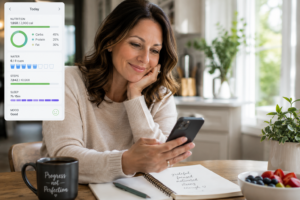
📲 My Favorite Tracking Apps

People ask me all the time which apps I recommend, and these are the three I come back to again and again.

🥇 MyNetDiary (My Top Recommendation)

If you’re looking for a comprehensive free app, MyNetDiary is my favorite. It has an excellent food database, makes meal logging simple, and includes a Notes section that I absolutely love.

I encourage clients to use it to record things like sleep quality, bowel movements, stressful events, travel, energy levels, and how they’re feeling physically and emotionally. Those notes often become the missing piece that helps explain what’s really going on.

😊 How We Feel

This is one of my favorite apps for emotional wellness. It helps you identify specific emotions, track your environment, and recognize patterns over time. Emotional wellbeing is just as important as physical wellbeing, and this app makes it easy to build that awareness.

🍎 MyFitnessPal

MyFitnessPal has been around for years for a reason. Its extensive food database makes meal logging quick and easy, and it’s another excellent option for tracking calories, nutrition, and macronutrients.

Remember: The best app isn’t necessarily my favorite. It’s the one you’ll still be using next month.

❤️ The Bottom Line

My goal isn’t to convince you to track every bite of food for the rest of your life. My goal is to help you gain enough clarity to understand your body. Because when you have clarity, you stop chasing quick fixes. You stop wondering why nothing is working. You stop letting one number on the scale define your day. Instead, you begin making choices based on knowledge, supported by a simple plan, and reinforced by confidence. So if you’re going to track something, don’t do it to judge yourself.

✨ Track to learn.

🌱 Track to notice patterns.

🎉 Track to celebrate progress.

💙 Track because clarity creates freedom.

And when you combine that clarity with a plan, you create something even more powerful: the confidence to fuel yourself for success and thrive for the long term.

Flavorful Beef Kabobs and Tzatziki: Quick and Healthy Dinner Recipe

Are you looking for a quick and delicious meal that the whole family will love? Look no further! Our flavorful Beef Kabobs with Tzatziki sauce are not only easy to prepare but also packed with nutrition to keep your energy levels high. Perfect for busy families and professionals, this recipe combines juicy beef, vibrant vegetables, and a refreshing yogurt sauce, making it a go-to meal for any weeknight dinner.

Why Mindful Eating Matters

In our fast-paced lives, it’s easy to overlook the importance of mindful eating. By focusing on the ingredients we choose and how we prepare our meals, we can nourish our bodies and keep our minds sharp. Mindful meals promote better health, energy, and focus; everything we crave during busy days. So, let’s dig into a delicious recipe that embodies these principles!

Beef Kabobs with Tzatziki Sauce Recipe

Servings: 4
Cooking Time: 30-40 minutes

Ingredients

For the Skewers:

  • 1.5 lbs top sirloin steak or beef tenderloin, cut into 1.5-inch cubes
  • 1 red onion, cut into 2-inch pieces
  • 1 zucchini, sliced
  • 1 orange bell pepper, cut into 2-inch pieces
  • 1 cup cherry tomatoes
  • Spices: 1 tsp paprika, 1 tsp allspice, 1 tsp cumin, 1 tsp turmeric, 1 tsp garlic powder, kosher salt, and ground black pepper to taste
  • Bamboo skewers soaked in water (to prevent burning)

For the Marinade:

  • Juice of 1 large lemon
  • ½ red onion, thinly sliced
  • ½ cup olive oil
  • ½ cup balsamic vinegar
  • Kosher salt and ground black pepper to taste

For the Tzatziki Sauce:

  • 1 cup plain Greek yogurt (whole milk for the best texture)
  • ½ English cucumber, diced small into ¼-inch pieces
  • 1 tbsp olive oil
  • 1 tbsp lemon juice
  • 1 tbsp fresh dill (or 1 tsp dried)
  • Salt and pepper to taste

Step-by-Step Instructions

1. Prepare the Spice Rub
In a medium bowl, mix garlic powder, cumin, paprika, allspice, and a pinch of kosher salt and pepper. This flavorful spice blend will elevate your kabobs!

2. Coat the Beef
Add the cube steak to the spice mix and use your hands to coat the meat evenly with the spices.

3. Marinate the Meat
In a baking dish, combine the lemon juice, olive oil, balsamic vinegar, and thinly sliced red onion. Add the seasoned beef, toss to coat, cover, and let marinate for 30 minutes or overnight for maximum flavor.

4. Prep the Vegetables and Skewers
While the beef is marinating, chop the vegetables. Remember to soak your bamboo skewers in water so they don’t burn on the grill.

5. Make the Tzatziki Sauce
In a bowl, mix the Greek yogurt, diced cucumber, olive oil, lemon juice, dill, salt, and pepper. Stir to combine and chill in the fridge for at least 30 minutes to let the flavors meld.

6. Assemble the Kabobs
Thread the marinated meat and veggies onto the soaked skewers. For a balanced presentation, start and end with vegetables, adding two pieces of meat in between.

7. Grill the Kabobs
Preheat your grill to high, then reduce to medium-high when placing the kabobs on. Grill for about 7-8 minutes, rotating occasionally, until the internal temperature of the beef reaches 145°F for medium-rare. Let the kabobs rest for five minutes before serving.

8. Serve and Enjoy
Pair your delicious kabobs with the chilled tzatziki sauce and your choice of salad or roasted potatoes for a complete meal.

Conclusion: The Joy of Mindful Cooking

These Beef Kabobs with Tzatziki sauce are a fantastic way to bring your family together over a meal that’s not only satisfying but also healthy and energizing. By choosing wholesome ingredients and embracing mindful cooking, you can make mealtime a nourishing and joyful experience.

So why wait? Try this easy kabob recipe for your next family dinner and enjoy the benefits of mindful eating! Don’t forget to share your thoughts and tag us with your kabob creations!

Happy cooking!


Connection Over Perfection: Healthy Habits You Can Do With Your Kids

Motherhood doesn’t leave a lot of extra time for self-care—and most advice makes it seem like you need to step away from your kids to take care of yourself.

Most days, taking care of yourself looks more like reheating your coffee for the third time… not a 60-minute workout.

What if your healthiest habits didn’t require more time? Just a different approach.
What if connection was the habit?

At Shine Health Collective, we come back to what actually works in real life. And real life, for most moms, includes kids who are right there with you.

The good news—you don’t have to choose between taking care of yourself and being with your kids. These healthy habits with kids are simple, realistic, and actually doable.


🌿 Why Healthy Habits With Kids Matter

Your kids are always watching—not in a pressure-filled way, but in a learning way.

They’re picking up on how you eat, how you move, and how you handle stress—whether you realize it or not.

When you include them in your habits, you’re not just getting something done—you’re:

  • Modeling a healthy relationship with food and movement
  • Creating real connection (not forced, not scheduled)
  • Making wellness feel normal instead of something extra

This is how family healthy habits are built. Not perfectly—just consistently.


🍓 5 Simple Healthy Habits to Do With Your Kids

1. Cook Simple Meals Together

It doesn’t have to be fancy. Let them wash veggies, stir something, or just be part of it.

This is one of the easiest ways to build healthy habits for kids and moms at the same time.

Shine tip: Keep it simple. Tacos, smoothies, personal pizzas, snack plates. This is not the time for complicated recipes.


2. Take Movement Outside

You don’t need a full workout—you need movement that actually fits your life.

Walk after dinner. Go to the park. Ride bikes. Turn music on in the kitchen and dance for a few minutes.

This is how healthy lifestyle habits for families start to feel natural.


3. Build Balanced Snack Plates Together

Instead of grabbing whatever’s easiest, take a minute and build something balanced:

  • Protein (cheese, yogurt, turkey)
  • Fiber (fruit, veggies, whole grains)
  • Healthy fats (nuts, hummus)

Let your kids help. It builds confidence and supports healthy eating habits for families.


4. Practice Mini Wellness Resets

You may not be getting a full hour to yourself anytime soon—and that’s okay.

Try small resets during the day:

  • 3 deep breaths together
  • A quick stretch
  • Stepping outside for fresh air

These small moments are powerful wellness habits for busy moms—and your kids learn them too.


5. Create Simple Family Routines

Habits don’t stick because of motivation—they stick because they’re part of your day.

Think simple:

  • Sitting down for dinner (even if it’s quick)
  • A short walk in the evening
  • Prepping a few things together on the weekend

This is how simple healthy routines for families actually last.


✨ The Bigger Shift: Real-Life Wellness for Moms

Here’s the truth—most wellness advice doesn’t work for moms because it assumes you have time you just don’t have.

This is about letting go of the idea that your wellbeing has to be separate from your life.

When you bring your kids into your habits:

  • There’s less pressure to “fit it all in”
  • You feel more connected instead of pulled in two directions
  • Health becomes part of your family culture

That’s where real change happens—and it’s what real-life wellness for moms actually looks like.


💛 A Gentle Reminder

You don’t need more time.
You don’t need to do this perfectly.

You just need small moments that actually fit your life.

Start with one. Tonight. That’s enough.

Because the goal isn’t just raising healthy kids—
it’s building a healthy life together.

Reset Your Wellness Goals this April

April presents a golden opportunity to rejuvenate our wellness aspirations! With several key awareness days throughout the month, it’s the perfect time to refocus on our health.

World Health Day on April 11 highlights global health awareness, reminding us to consider how our well-being intersects with broader societal issues. Just a few days later, National Stress Awareness Day (April 16) encourages us to reflect on how stress impacts our health and what practical steps we can take to manage it. Additionally, the entire month of April is dedicated to Physical Fitness, uniting communities worldwide in the celebration of active lifestyles and healthy habits.

This emphasis on health is a collective call to action, reminding us of the importance of caring for ourselves in various ways.

Exploring the Dimensions of Wellness

One effective exercise I love to do with my clients is the Wellness Wheel. This tool allows us to explore different dimensions of well-being, including:

  • Nutrition
  • Fitness
  • Spirituality
  • Community
  • Finances
  • Relationships

By rating each dimension, we can identify areas that may need more attention and strategy to help align our actions with our wellness vision.

For more insights, check back to our January post, where you’ll find strategic questions to guide you through this reflective process.

Let’s embrace this month of April as a chance to reset and recommit to our health and wellness journeys! 

Fun Facts About World Health Day

Did you know that World Health Day has been celebrated every year since 1950? Each year, it has a different theme! Last year, the focus was on “Building a fairer, healthier world,” addressing the disparities in health that have been exacerbated by global events.

Some fun activities you can engage in to celebrate include hosting a community wellness event, organizing a group workout, or even initiating a health-focused book club. Many organizations also take this day as an opportunity to promote free health screenings or offer wellness workshops.

Another engaging way to participate is to use social media to spread awareness. Consider sharing tips on healthy habits or your personal health journey, using hashtags like #WorldHealthDay to join the global conversation.

Remember, every small step we take towards prioritizing our health can make a significant impact—not just in our own lives, but in our communities as well. This World Health Day, let’s come together to celebrate health, support one another, and commit to a healthier future for all!

Spring Nutrition Reset: A Simple, Sustainable Way to Refresh Your Family’s Healthy Habits

As the seasons shift, many families feel the urge to reset their routines.

Winter can leave us feeling sluggish, inconsistent with meals, or relying on convenience foods more than we’d like. But a spring nutrition reset doesn’t mean overhauling your entire lifestyle.

At Shine Health Collective, we believe health is built through practical skills and repeatable habits—not extremes.

Here’s how to refresh your nutrition this spring in a way that actually lasts.


What Is a Spring Nutrition Reset?

A spring nutrition reset is not a detox.
It’s not restriction.
It’s not eliminating entire food groups.

Instead, it’s a gentle recalibration of daily habits that support:

  • Stable energy

  • Balanced blood sugar

  • Improved focus

  • Consistent family routines

  • Reduced mealtime stress

The goal is sustainability.

If you’ve explored our foundational approach inside Back to Basics, you know we prioritize food skills and balanced structure over rigid rules. A spring reset follows that same philosophy.


1. Rebuild Balanced Meals Using Simple Structure

One of the fastest ways to improve nutrition without overwhelm is to return to meal structure.

Aim to include:

  • A quality protein source

  • Fiber-rich carbohydrates

  • Healthy fats

  • Colorful vegetables or fruit

This balanced formula supports satiety, cognitive performance, and mood regulation—especially for busy families.

If mornings feel rushed, revisit your breakfast system. Our guide to Brainy Breakfast Ideas walks through practical ways to combine protein and fiber for sustained energy.

Consistency beats complexity every time.


2. Refresh Your Kitchen Environment

Behavior follows environment.

A spring nutrition reset often starts with small kitchen shifts:

  • Move produce to eye level

  • Store washed fruit in visible containers

  • Prep one protein and one vegetable each week

  • Keep water accessible and visible

When healthy options are convenient, they’re chosen more frequently.

If you’re working on building stronger foundational kitchen skills, our Basic Kitchen Skills resource supports families in creating efficient, low-stress systems.

Prevention starts in the home environment.


3. Simplify Weekly Meal Planning

Overcomplicated meal plans lead to burnout.

Instead of introducing entirely new recipes, create a repeatable rhythm:

  • 3 go-to breakfasts

  • 3 easy lunches

  • 3 simple dinners

This reduces decision fatigue and builds confidence—especially for kids learning food independence.

For families navigating busy schedules, our Cooking, Coaching, and Connection program helps establish practical meal planning systems that work in real life.

Healthy eating is about structure, not perfection.


4. Prioritize One Habit at a Time

Research in behavior science consistently shows that habit stacking is more effective than drastic change.

Choose one focus for two weeks:

  • Add protein to breakfast daily

  • Drink adequate water

  • Include one vegetable at dinner

  • Sit down for screen-free meals

Mastery builds momentum.

Layering habits slowly creates a sustainable healthy lifestyle—without the cycle of reset and relapse.


5. Focus on Energy, Not Restriction

Many people approach spring with a “clean eating” mindset that centers on elimination.

A healthier approach asks:

  • Does this meal support my energy?

  • Am I building balanced plates?

  • Are we eating consistently throughout the day?

When blood sugar is stable, families experience:

  • Fewer energy crashes

  • Better mood regulation

  • Improved focus

  • Reduced cravings

That’s the real outcome of a successful spring nutrition reset.


Why Extreme Diets Don’t Work for Families

Quick-fix plans often fail because they:

  • Remove familiar foods too abruptly

  • Increase stress around meals

  • Require unrealistic preparation time

  • Disrupt family dynamics

A skills-based, prevention-focused approach builds long-term food confidence instead.

At Shine Health Collective, our mission is to help families build repeatable systems that reduce overwhelm and support whole-person wellness.

If you’re ready to move beyond diet culture and into sustainable structure, explore our family nutrition programs designed to simplify healthy living.


Final Thoughts: Small Shifts Create Big Change

Spring is a season of growth—but growth happens gradually.

A thoughtful spring nutrition reset isn’t dramatic.
It’s deliberate.

Start small.
Build structure.
Stay consistent.

That’s where real health begins.

Celebrate the Lunar New Year with Ginger Lime Chicken Vitality Soup

Welcoming the Lunar New Year with Nourishment and Intention

The Lunar New Year is a time of renewal, reflection, and hope for the year ahead. Across many cultures, this season is marked by gathering with loved ones, honoring traditions, and preparing foods that symbolize health, happiness, prosperity, and longevity. What we place on our table is more than a meal—it is an expression of intention for the months to come.



One of the most meaningful ways to celebrate the Lunar New Year is with a nourishing bowl of soup. Warm, grounding, and deeply comforting, soup represents abundance and care, offering both physical nourishment and emotional connection. This Ginger Lime Chicken Vitality Soup is designed to do exactly that: support the body, awaken the senses, and bring people together as you welcome a prosperous new beginning.

The Symbolism in the Bowl

Every element of this soup was chosen with both flavor and meaning in mind:

  • Chicken represents strength and vitality, providing high-quality protein to support energy and recovery.
  • Ginger and garlic are warming, aromatic ingredients traditionally used to support digestion and circulation—perfect for seasonal transitions.
  • Mushrooms add an earthy depth and symbolize grounding and longevity.
  • Long, uncut rice noodles are especially meaningful during the Lunar New Year, representing long life and good fortune.
  • Fresh lime juice brings brightness and balance, symbolizing renewal and clarity for the year ahead.
  • Leafy greens and herbs reflect growth, freshness, and new beginnings.

Together, these ingredients create a dish that feels both comforting and energizing—ideal for setting a mindful tone for the year.

Ginger Lime Chicken Vitality Soup

Celebrate the Lunar New Year with a bowl that symbolizes health, happiness, and abundance. This nourishing soup blends tender chicken, earthy mushrooms, and fragrant ginger in a bright, citrus-infused broth that awakens the senses. Long noodles invite longevity and good fortune, while the balance of warming spices and fresh lime offers comfort and renewal.

Ingredients

  • Juice of 4 fresh limes
  • 6 to 8 cups low-sodium chicken broth
  • 2 tablespoons olive oil
  • 1 pounds boneless, skinless chicken thighs or breasts
  • 1 teaspoon ground turmeric
  • 1½ teaspoons salt, divided
  • 8 ounces mushrooms, sliced
  • 1 cup dry rice noodles
  • 3 to 4 cups baby spinach
  • 3 cloves garlic, thinly sliced
  • 2-inch piece fresh ginger, peeled and thinly sliced
  • 1 shallot, thinly sliced
  • 1 tablespoon soy sauce or fish sauce (optional)
  • Fresh herbs, for garnish
  • Chopped peanuts or cashews, for topping

Instructions

Sear the Chicken
Heat olive oil in a large pot over medium heat. Add the chicken and season with 1 teaspoon of salt and the turmeric. Cook for 3–4 minutes per side until lightly golden. If the bottom of the pot browns too quickly, add ¼ cup of water to release the flavorful bits. Remove the chicken and set aside.

Sauté the Aromatics and Mushrooms
In the same pot, add garlic, ginger, and shallot. Cook for 2–3 minutes until fragrant. Add mushrooms and sauté for 4–5 minutes, until tender and lightly browned.

Simmer the Soup
Pour in 6 cups of chicken broth and add the rice noodles. Bring to a gentle simmer and cook for 12–15 minutes, stirring occasionally, until the noodles are tender.

Add the Spinach
Stir in the baby spinach and sprinkle with the remaining ½ teaspoon of salt. Cook for 2–3 minutes, until wilted.

Shred and Return the Chicken
Shred the cooked chicken into bite-sized pieces and return it to the pot, stirring to combine.

Brighten the Flavor
Add fresh lime juice and soy sauce or fish sauce, if using. Taste and adjust seasoning as needed.

Serve and Garnish
Ladle the soup into bowls and garnish with fresh herbs and a sprinkle of chopped peanuts or cashews for added texture and satisfaction.

A New Year, One Nourishing Choice at a Time

The Lunar New Year reminds us that health is built through daily, intentional choices—how we eat, how we connect, and how we care for ourselves and others. Sharing a meal like this Ginger Lime Chicken Vitality Soup is a simple yet powerful way to honor tradition while supporting modern wellness.

May this new year bring you warmth, balance, and abundance—starting with what’s in your bowl.

Health in 2026 – Let’s Make a Plan!

A new year brings that refreshing sense of a blank slate—a chance to reset, refocus, and step into healthier habits. But after the bustle of the holidays, it can also feel hard to build momentum. Here’s a simple, reflective guide to help you gain clarity and take those first meaningful steps toward your wellbeing in 2026.

  1. Take Stock of Your Wellness

Begin by checking in with yourself. Answering a few grounding questions can reveal what’s working and where you’d like support:

  • What’s going well for you right now with your health?
  • What are you grateful for in your body or daily habits?
  • How and when are you currently prioritizing your wellness?
  • Have you visited your doctor in the past year? Were there any concerns to follow up on?
  1. Identify When You Feel Your Best

Think back to moments when your energy, mood, or strength felt steady and aligned. What were you doing—or not doing—during those times?

  1. Choose One Area to Improve in 2026

Focus on a single area of your life you’d like to shift. Big goals become achievable when you narrow your attention to what matters most right now.

  1. Consider Your Resources and Support

Who or what can help you? This may include family, friends, community programs, apps, or professionals.

  1. Define Your First Step

Every meaningful change starts with one small, clear action. What will yours be?

After reflecting on these questions, what did you discover? Hopefully you uncovered not only insight, but also a spark of excitement for creating a plan that supports your wellbeing in the year ahead.

Accountability can make all the difference. Free tools like MyFitnessPal, MyNetDiary, or a simple smartwatch can help you track progress and stay motivated.

And if you’d like a partner in your wellness, health coaching is a great option for refining your goals and staying consistent. Even better—HSA and FSA dollars can now be used for health coaching with a doctor’s recommendation.

Local Inspiration for Moving and Eating Well

If getting more active or eating healthier is on your 2026 list, here are a few Littleton-area favorites to explore:

  1. Red Rocks Amphitheatre
    Enjoy the stunning views while climbing the stairs or walking the amphitheater. It’s a memorable way to get your heart rate up – perfect for out-of-town visitors too.
  2. South Platte Park & Carson Nature Center
    A free, family-friendly outing with well-maintained trails for walking or biking year-round. Make it a mini adventure by stopping for a warm drink or bite to eat along the river.
  3. South Valley Park
    A sunny, scenic spot offering both beginner-friendly and more challenging trails. The red rock formations against Colorado’s blue sky make it a breathtaking place to reconnect with nature.
  4. Downtown Littleton Food Inspiration
    Wander through the spice shops, The Chocolate Therapist, and the EVOO shop for culinary inspiration. And if you’re ready for some relaxation, swing by Skin Essentials Med Spa.
  5. Denver Botanic Gardens at Chatfield Farms
    A beautiful working farm that highlights Colorado’s unique landscape and agricultural roots. It’s a peaceful place to wander and reconnect.

As you step into 2026, return to your very first question: What’s the first step you’ll take to prioritize your health and wellness this year?
Small steps become big changes—just start with one.

Holiday Balance Made Simple

🎄 Stay Grounded and Glowing: How to Stay on Track (and Enjoy Yourself!) During the Holidays

The holidays are meant to be joyful — full of connection, comfort food, and celebration. But between the travel, parties, and endless to-do lists, your healthy habits can easily slide to the bottom of the list. The key to feeling good through it all isn’t perfection — it’s staying intentional with a few small, steady habits that help you feel energized and balanced.

Here’s how to stay on track (and still enjoy the season):


1. Track What You Can — With Kindness, Not Criticism

When your routine changes, awareness is everything. Tracking helps you stay connected to your body and notice what helps you feel your best. Instead of counting calories, try this:

  • Morning check-in: How did you sleep? What’s your energy like?

  • Midday moment: Have you had water, protein, and some movement yet?

  • Evening reflection: What went well today? What’s one thing you can do tomorrow to feel good?

You can jot this in a notebook or use your phone’s notes app. This mindful tracking keeps you centered — and builds self-trust instead of guilt.


2. Fill Half Your Plate with Veggies, and Add Protein Every Time You Eat

There’s room for all your holiday favorites — but starting with veggies and protein helps keep blood sugar steady and prevents energy crashes. Try these ideas:

  • At parties: Fill your plate with veggie-based appetizers like roasted Brussels sprouts, shrimp cocktail, or hummus with crudité before diving into dessert.

  • At family dinners: Go for turkey, salmon, beans, or lentil dishes first — then enjoy a small serving of stuffing or pie.

  • On the go: Keep quick options on hand like roasted chickpeas, yogurt with fruit, or veggie egg muffins for a healthy grab-and-go bite.

Think color, balance, and satisfaction — not restriction.


3. Move Your Body — Even in Small, Joyful Ways

Exercise routines may shift during the holidays, but movement doesn’t have to stop. Focus on staying active in ways that fit your schedule:

  • 10-minute reset walks after meals to boost energy and aid digestion.

  • Stretch breaks while wrapping gifts or cooking.

  • Mini strength sessions — squats, wall push-ups, or plank holds while watching holiday movies.

  • Family fun: Dance in the kitchen, take a scenic walk after dinner, or organize a friendly backyard game.

Movement helps manage stress, improves sleep, and keeps your immune system strong — all essential for a healthy holiday season.


4. Hydrate, Sleep, and Slow Down

It’s easy to forget the basics when life gets busy. Keep a water bottle with you and aim for at least half your body weight in ounces per day. Prioritize sleep when you can — even an extra 30 minutes helps with appetite control, energy, and mood. And don’t forget to slow down and savor your moments — mindfulness is a powerful form of self-care.


✨ Bottom Line

Staying on track during the holidays doesn’t mean missing out — it means staying intentional. Track your habits with compassion, fill up on real foods that nourish you, move often, and give yourself space to enjoy the season fully. When you do, you’ll start the new year feeling grounded, energized, and strong.

Join us for a healthy cooking demo or group session to stay inspired this season, great for an intentional gathering or team building!


If It’s Fun, It Gets Done!

That’s the motto my friend, Dr. Tanya Gold, lives by in her holistic medical practice — and we couldn’t agree more here at Shine Health Collective! When it comes to creating healthy habits that last, especially for families, joy and connection make all the difference.

When my girls were little, one of our favorite ways to make healthy eating fun was by creating grazing trays filled with colorful, whole foods. We’d mix familiar favorites with a few new options, paired with a dip they already loved. Before long, their taste buds began to expand — and we were checking all the nutrition boxes while having fun together in the kitchen.

Dr. Gold brings that same playful, science-backed approach to her work with families. She helps make wellness feel doable, practical, and most importantly — enjoyable!

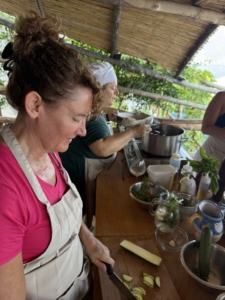
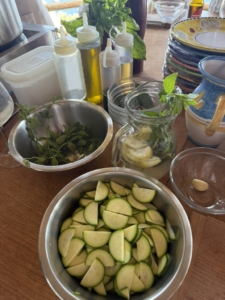
🎥 Watch the replay of our latest webinar where Dr. Gold shares her top holistic health tips, and I make fresh pesto with veggie skewers — a perfect way to get kids (and grown-ups!) excited about nourishing foods.

👉 Watch on YouTube

The Confidence Cure: A Simple Way to Improve Well-Being

When we think of living healthier, our minds usually go straight to food, exercise, and sleep. All are important — but there’s another powerful, often overlooked ingredient for well-being: confidence. Research shows that feeling confident in your abilities — whether at work, at home, or in how you care for yourself — can reduce stress, improve mental health, and even boost your immune system. Confidence is more than self-care; it’s a mindset that shapes how you approach every part of your life.

Why Confidence Affects Your Whole Life

1. It Buffers Stress Everywhere.
Confidence helps you handle life’s challenges — from a tough meeting to a personal setback — with more calm and resilience. Lower stress means healthier hormones, better sleep, and improved immunity.

2. It Helps Healthy Habits Stick.
When you believe in your ability to follow through, you’re more likely to make and keep changes in your diet, exercise, or daily routine.

3. It Strengthens Relationships.
Confidence helps you communicate clearly, set boundaries, and connect with others in a more authentic way. That social support feeds back into better mental and physical health.

4. It Opens Opportunities.
Believing in your ability to learn, adapt, and take risks translates into career growth, creative projects, and personal goals — all of which can enrich your sense of well-being.


5 Steps to Build Confidence in Life and Health

Step 1: Start Small and Build Skills
Pick a simple goal — like speaking up once in a meeting or adding a new healthy habit — and master it. Each success builds your belief that you can do more in any area of life.

Step 2: Move Your Body Regularly
Exercise improves mood, energy, and self-esteem. It also gives you tangible evidence that your actions matter, reinforcing confidence both physically and mentally.

Step 3: Practice Positive Self-Talk and Mindfulness
Shift your inner voice from criticism to encouragement. Add short mindfulness or breathing practices to calm your mind and increase self-awareness, which improves decision-making in all areas of life.

Step 4: Stand Tall and Seek Support
Open posture, eye contact, and steady breathing send a powerful signal of self-assurance to yourself and others. Surround yourself with supportive people who reinforce your efforts and celebrate your growth.

Step 5: Get Into the Kitchen
Cooking has many mental health benefits – including boosting self-confidence! Bonus – you get to take control of your diet and increase your self efficacy!


Shine Health Collective Tips to Start Today

  • Confidence in Daily Life. Pick one area where you’ve been hesitant — send that email, sign up for the class, or choose a new recipe to try out.

  • Confidence in Movement. Commit to 10 minutes of walking or gentle stretching each day.

  • Confidence in Mindset. Before meetings or meals, take one minute of mindful breathing to center yourself.

🌟Confidence isn’t just about looking or feeling good — it’s the foundation for how you show up in every part of your life. Building it is like strengthening a muscle: small, consistent steps lead to powerful results. When you believe you can handle challenges, you make healthier choices, connect better with others, and open the door to new opportunities. Start with one step this week, and watch how the ripple effect transforms both your well-being and your everyday life.